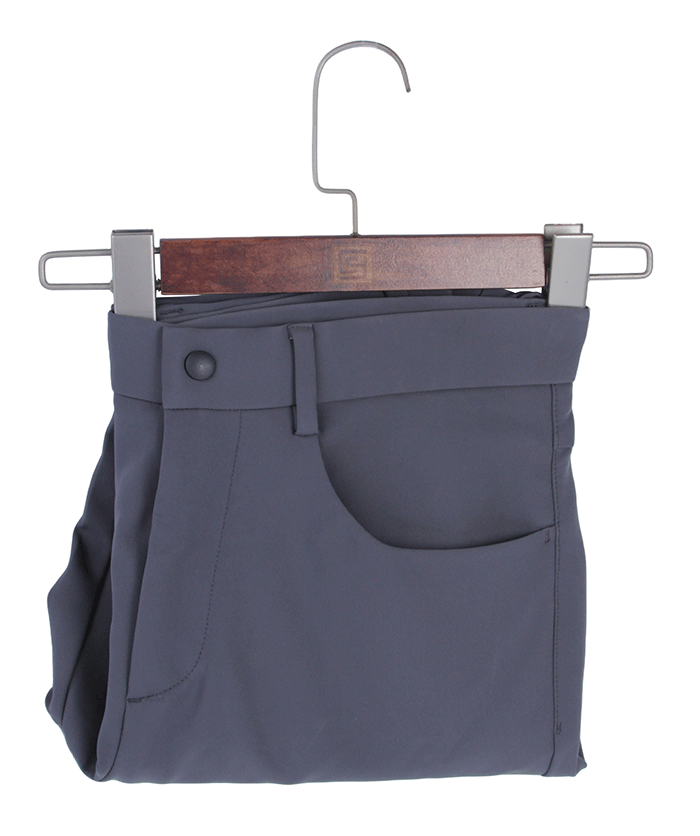
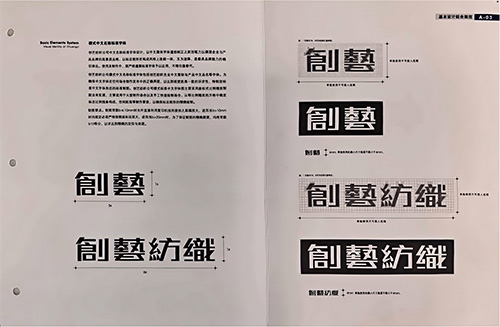
Chuangyi unites two concepts: 'Chuang' (creation) and 'Yi' (artistry).
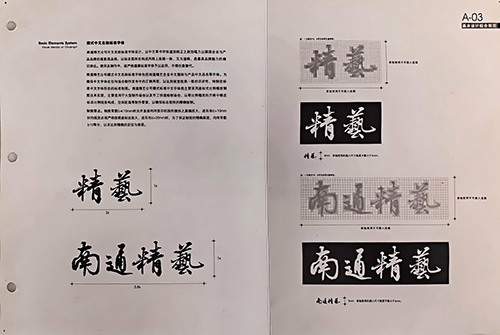
Throughout our brand's history, the interplay of the initials 'C' and 'Y' has continuously evolved across logo iterations, with each design reflecting the aesthetic values and core message of its time.

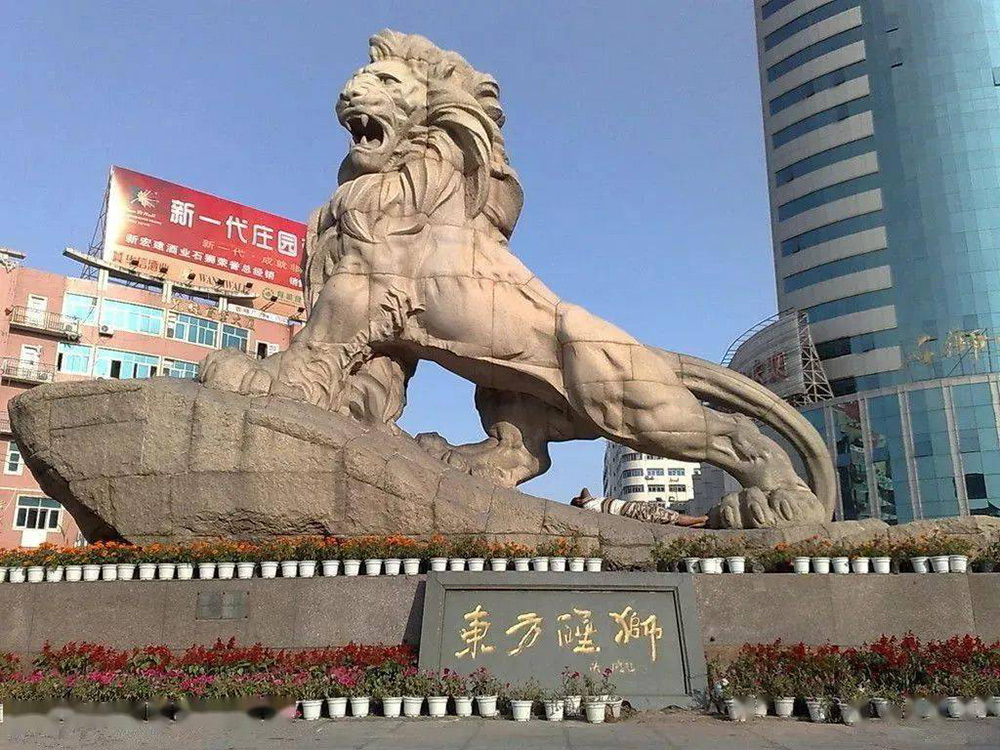
Oriental Awakening Lion
1989-1990
Location: Shishi City
Dimensions: 10m (H) × 240 tons (granite)
Symbolism: A monument to Shishi's ethos of enterprise, relentless progress, and commercial vitality
Sponsor: Funded by overseas Chinese philanthropists Huang Guangtan and Huang Guangzan, with a donation of 660,000 RMBIn Fujian, "doing business" and "drinking tea" are nearly synonymous.
Icebreaker: Sitting down, boiling water, rinsing the leaves,steeping,pouring,sipping—this ritual naturally builds a buffer for negotiation.
Showing sincerity: The willingness to sit through several steepings together already signals, "I am open to a real conversation."
Exchanging information: Many deals are not closed at the negotiation table. They take shape between rounds of tea.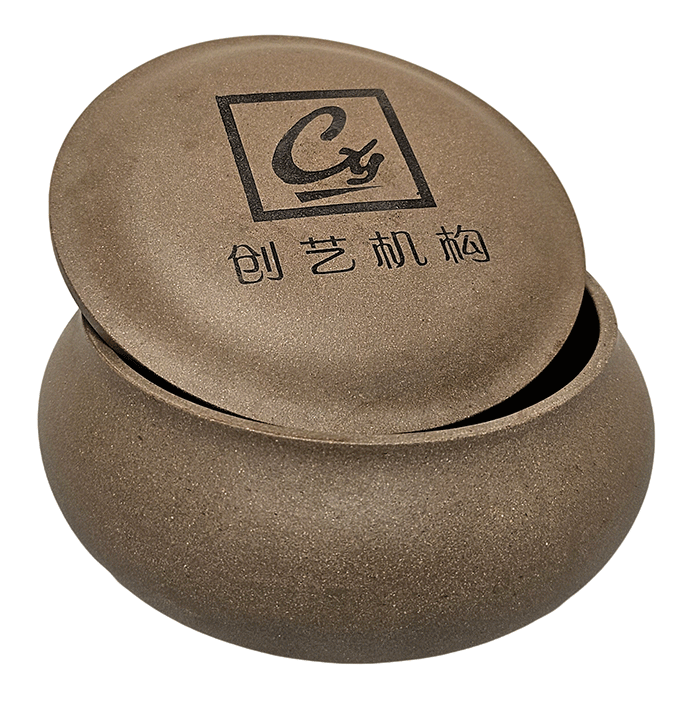
Pu‘er (普洱) comes from Yunnan (云南省) and gets better with age. In Fujian, folks keep a few cakes tucked away at home. Years go by, and they can’t bear to break into it. Until a close friend comes to visit. Then they open it together.
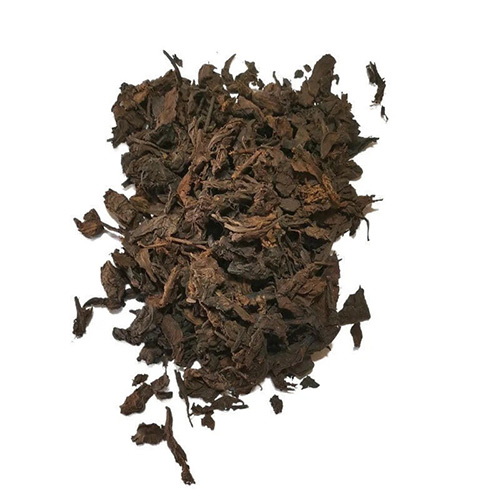
Loose Tea
Form:
Original loose state of the leaves — clear, intact strips
Access:
Ready to brew — no tools required
Aroma & Flavor:
High initial freshness with well-preserved fragrance — however, aromatics tend to dissipate more quickly
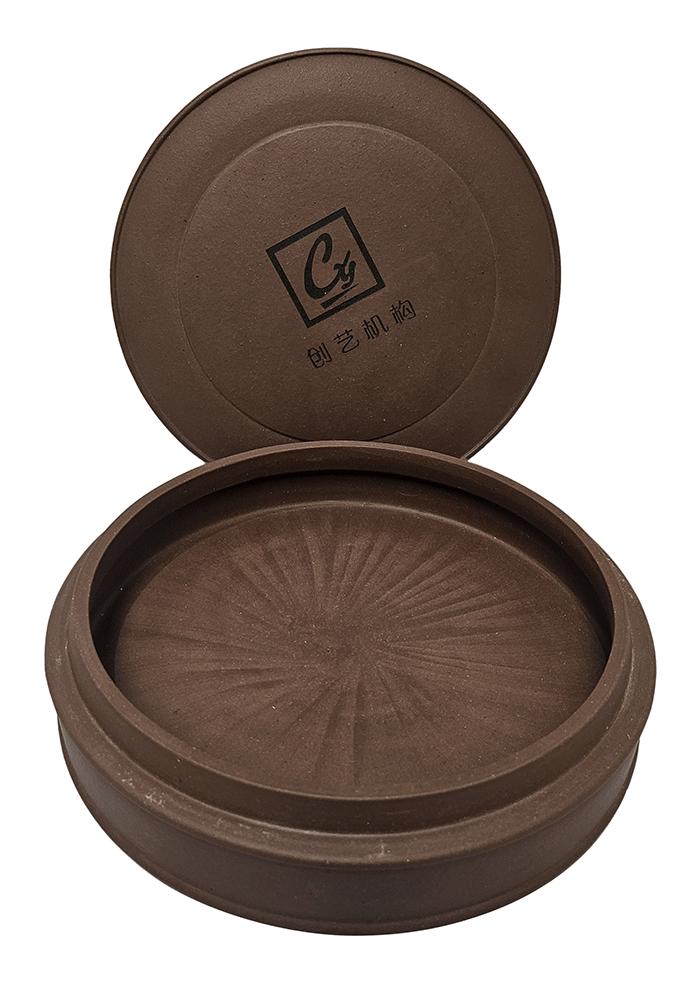
Pu‘er (普洱) comes from Yunnan (云南省) and gets better with age. In Fujian, folks keep a few cakes tucked away at home. Years go by, and they can’t bear to break into it. Until a close friend comes to visit. Then they open it together.
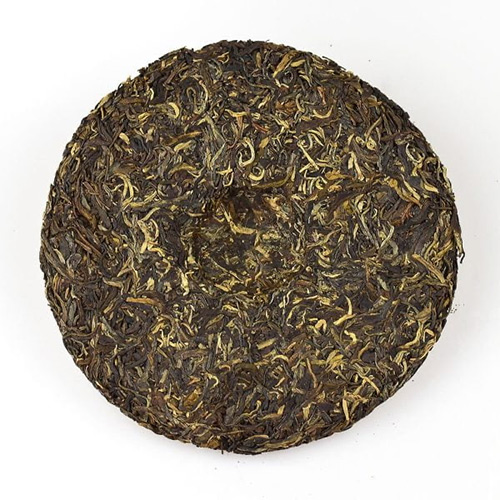
Tea Cake (Compressed Tea)
Form:
Steamed and pressed into a tight, round disc
Access:
Requires a tea needle to pry apart
Aroma & Flavor:
Richer and fuller on the palate with greater texture — aroma more concentrated and longer-lasting
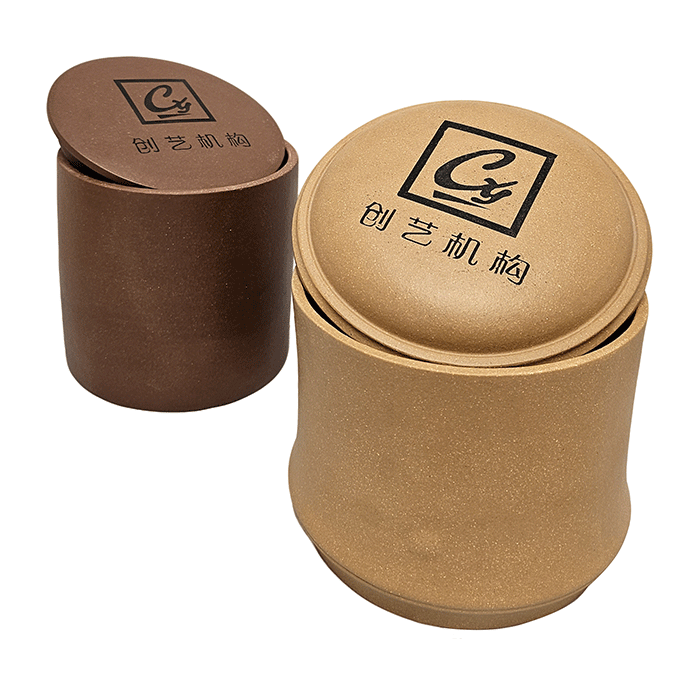
Wuyi Yancha (武夷岩茶) is produced in the Wuyi Mountains (武夷⼭) of Fujian. “Yan” means “Rock”, hence the mineral aroma in the taste. Historical records show it was used as a tribute tea as early as the Tang and Song dynasties. Wuyi Mountain is also a UNESCO World Heritage site.
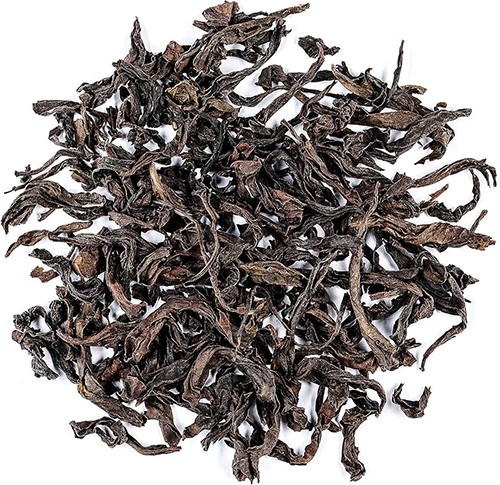
Wuyi Yancha
Form:
Tightly twisted strips, dark and glossy with a warm sheen — the dry leaves alone carry a distinct roasted aroma.
Aroma & Flavor:
Bold on the palate, with an unmistakable minerality — a hint of rock itself. Floral and fruity notes hide within the tea soup, and a long, sweet finish lingers long after the cup is empty.
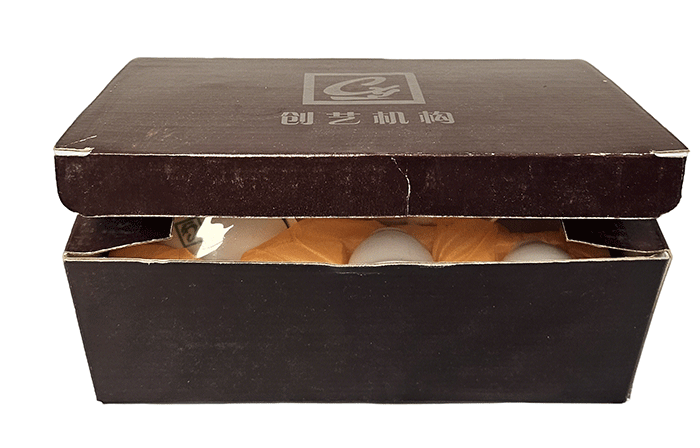
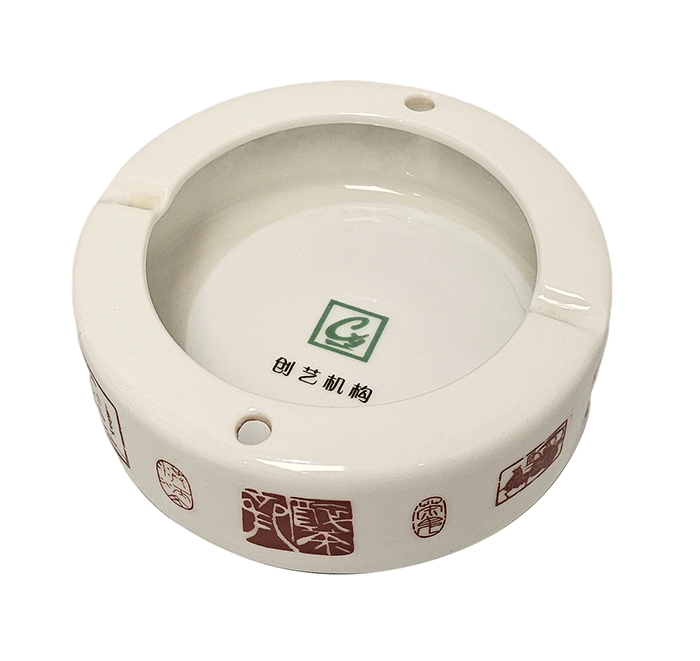
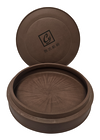
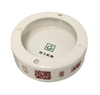
The teacup and ashtray in the image were crafted by Fujian artist Hong Dapao, who himself owns an extensive collection of white porcelain artifacts. Fujian is home to a wide range of intangible cultural heritage crafts. Among them, Dehua white porcelain is one of the most renowned.
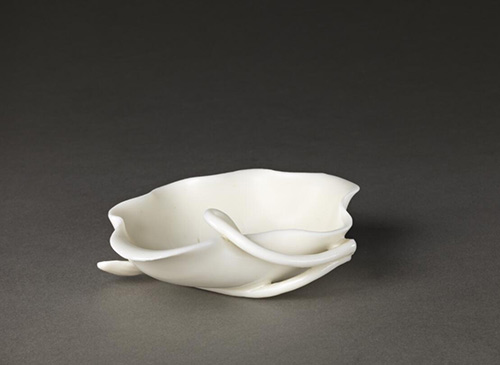
Blanc de Chine
Since 10th to 13th century CE
Location: Dehua County, Fujian
Dehua white porcelain (德化⽩瓷) is dense in texture and highly translucent. Its glaze is pure white — smooth, bright, and cream-like. When held against light, a faint pink or milky white tone emerges from within the glaze. This has given rise to names such as "lard white," "ivory white," "goose down white," and, most famously, "Blanc de Chine."




From "bridging deals over cigarettes and tea" to "navigating by data"
The internet explosion in year 2011, fundamentally reshaped how people connect. As information barriers dissolved and aesthetic standards evolved, a new consciousness emerged:
The medium is the message.
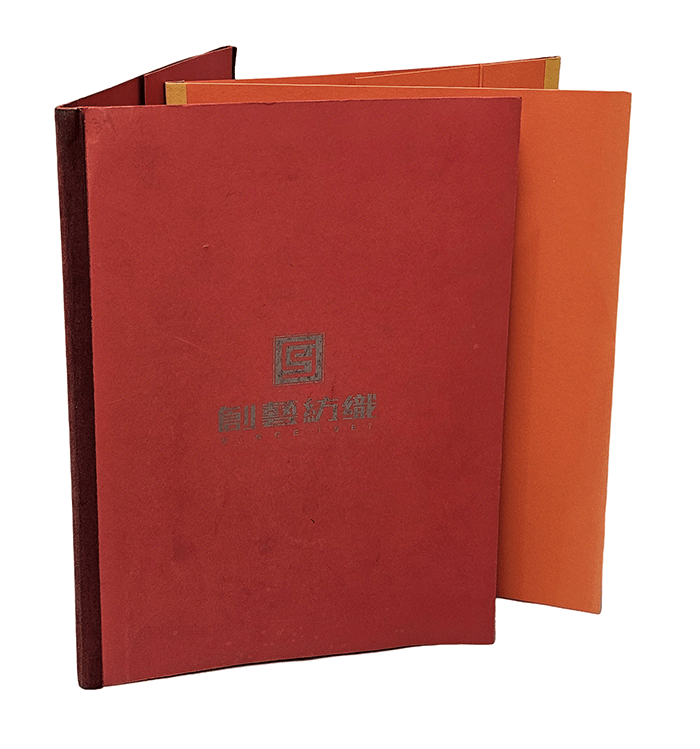
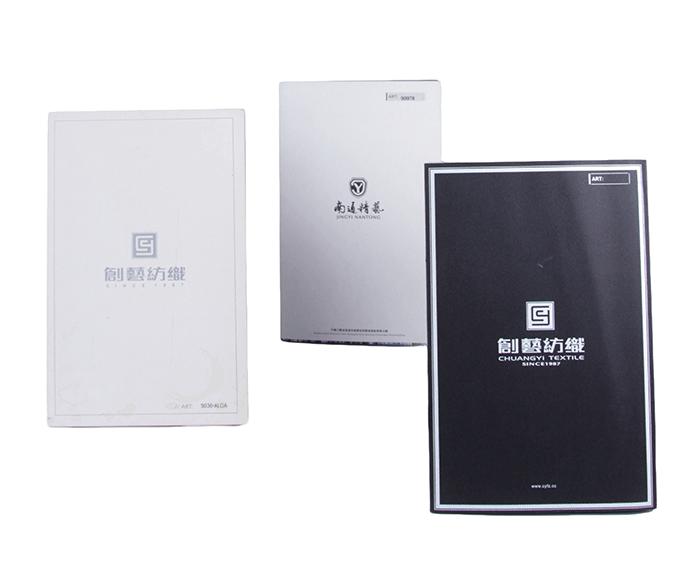
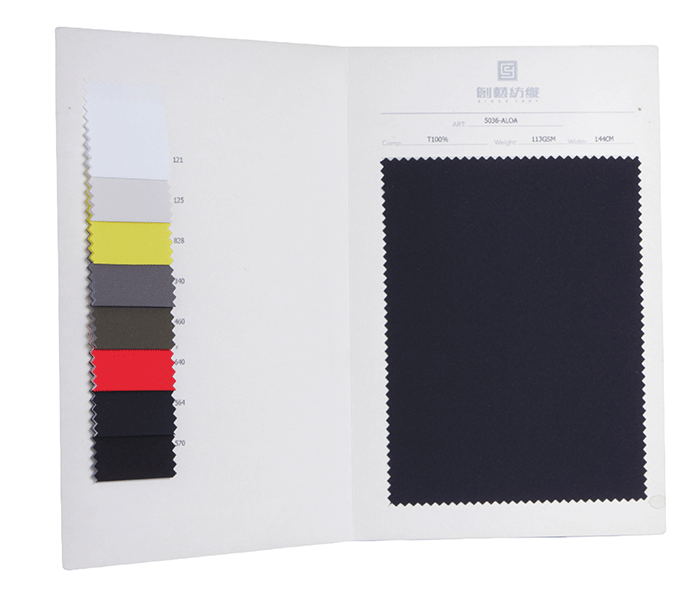
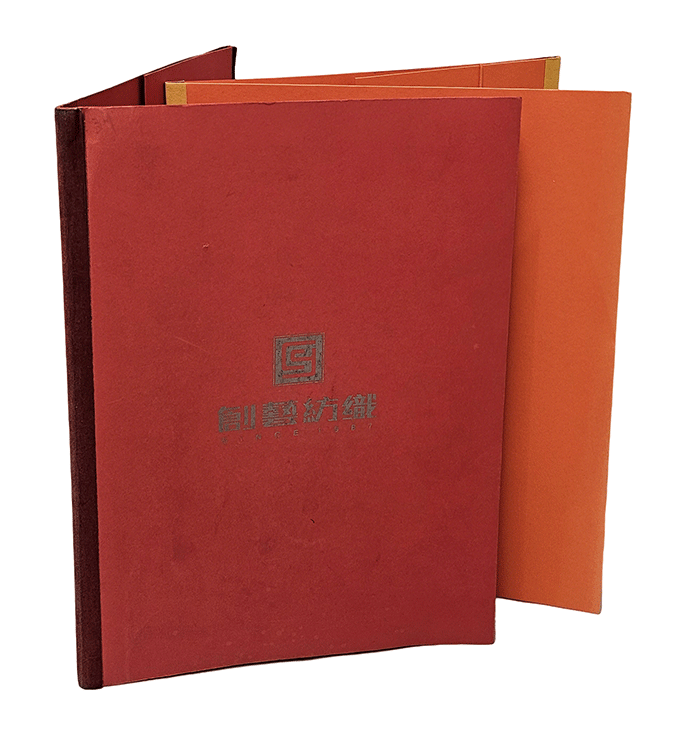
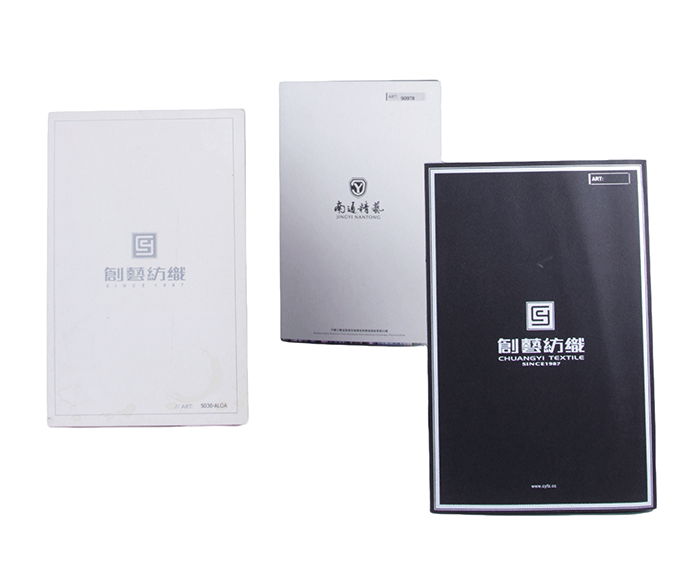
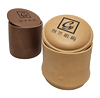
The redesigned typography and logo found their way into everyday stationery and outward facing documents. Preserved in our archive are various versions from different periods.
Some of these stationery items have since faded away—rendered obsolete by changing business cultures and new ways of connecting with clients.