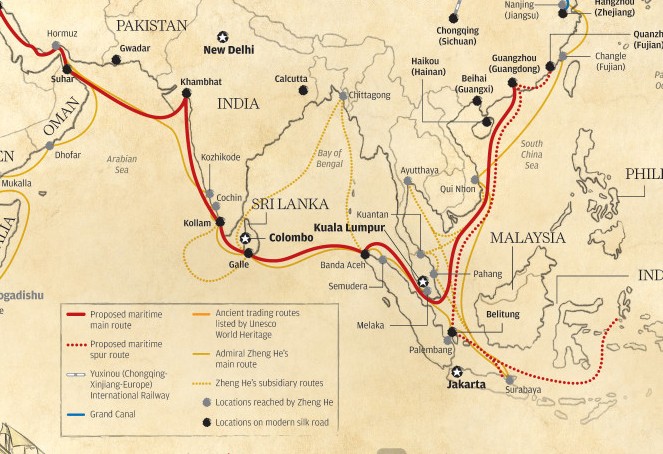
The beginning point of
maritime silk road
Quanzhou City
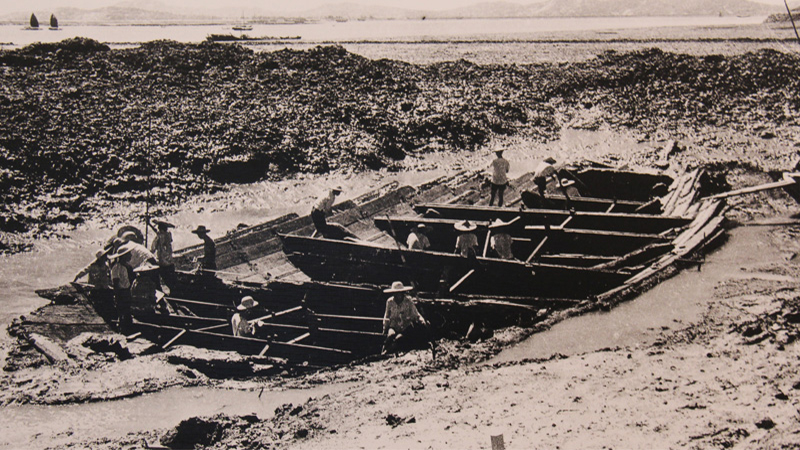
Shipwrecks excavated in Quanzhou Bay and the South China Sea provide tangible evidence of the port’s historical dynamism and far-reaching maritime connections. Among them, a wooden-hulled, three-masted merchant vessel uncovered at Houzhu Harbor stands out—built in Quanzhou in the 13th century, it was returning from Southeast Asia carrying spices, medicines, and commercial goods when it sank.
  • 1
  • 2
A number of renowned medieval travelers—including Marco Polo, Friar Odoric of Pordenone, and Ibn Battuta—visited Quanzhou and documented its stature as one of the world’s largest harbors. Their accounts describe a port bustling with vessels of every size and origin, arriving and departing in steady succession, and a dynamic marketplace where merchants from diverse regions gathered to trade their goods. It is also recorded that Marco Polo embarked from Quanzhou on a diplomatic mission to escort a Mongol princess to Persia (modern-day Iran) for her marriage.
One Town
One Industry
Inside Quanzhou’s unique township scene

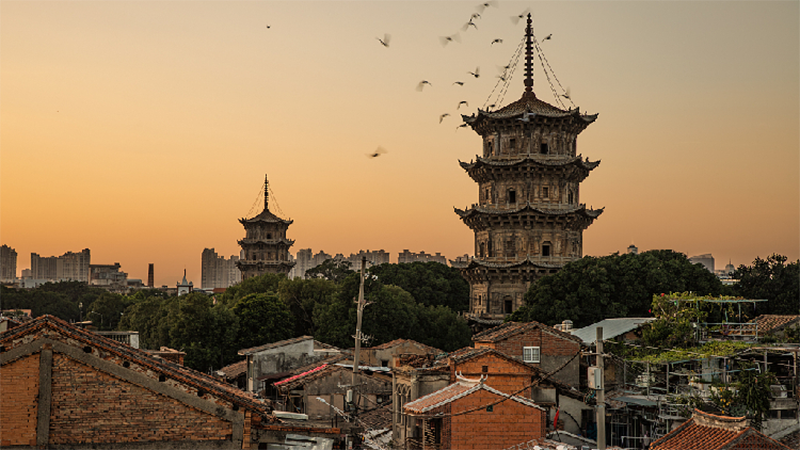
Its favorable geographical location has endowed Quanzhou with a prosperous and rich history, shaping a foundation characterized by inclusiveness and diversity.

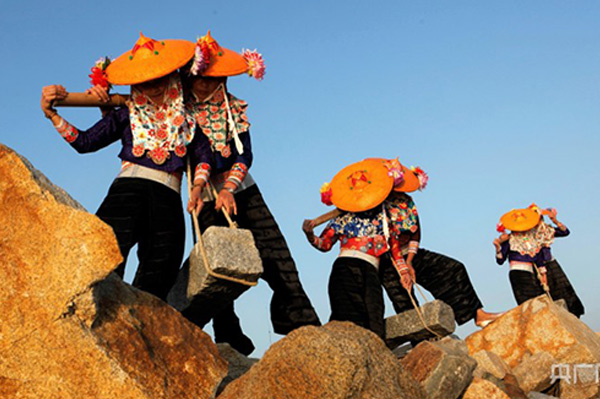
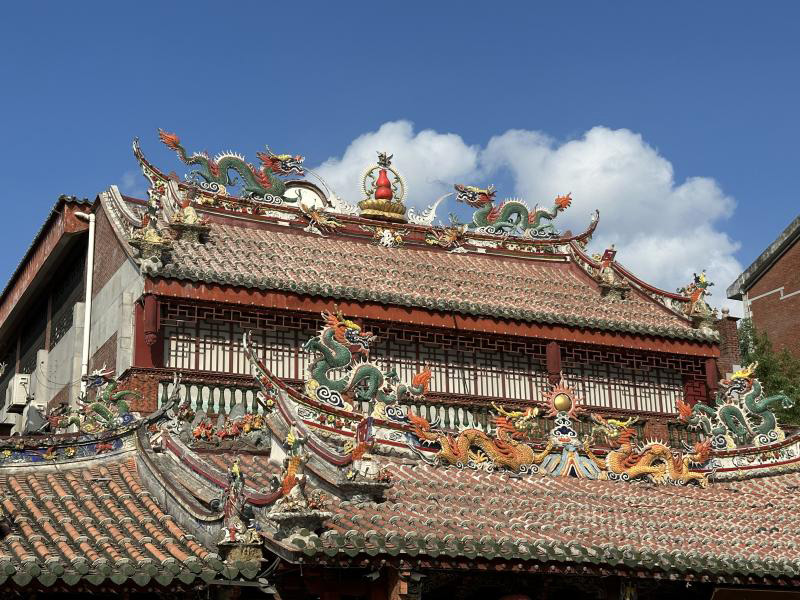
As a people living by the sea, Quanzhou residents are born with a spirit of contending against fates, revering deities, and respecting ancestral temple culture. With townships serving as the axis of development, the region has formed a distinctive pattern of "one town, one industry."
Its favorable geographical location has endowed Quanzhou with a prosperous and rich history, shaping a foundation characterized by inclusiveness and diversity.

As a people living by the sea, Quanzhou residents are born with a spirit of contending against fates, revering deities, and respecting ancestral temple culture. With townships serving as the axis of development, the region has formed a distinctive pattern of "one town, one industry."

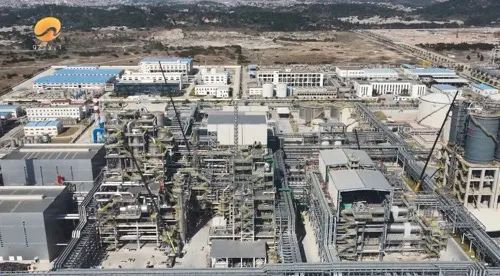
These "township-level industrial specialties" not only reflect Quanzhou's profound industrial foundation but also demonstrate its distinct regional specialization and highly concentrated industrial chain—a key component of the "Quanzhou Model."
1
Dong Shi
东石镇
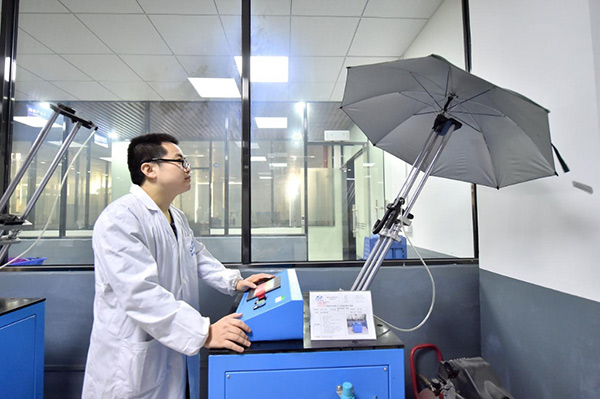
The town of umbrellas
2
Chong Wu
崇武镇
The town of stone carving crafts
3
Shui Tou
水头镇
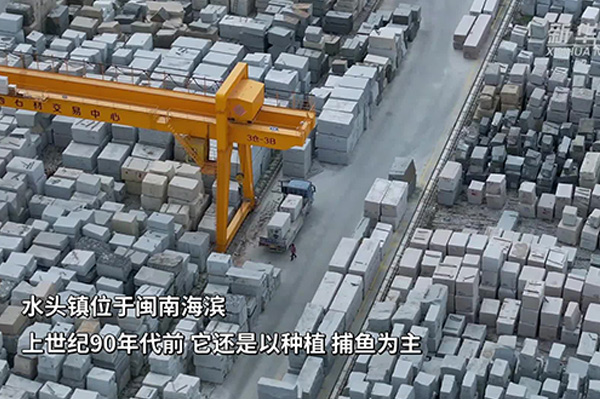
The town of raw stone
4
Da Pu
达埔镇
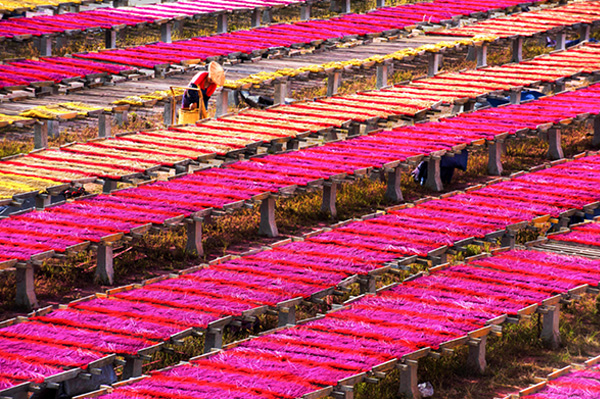
The town of incense
5
Ci Zao
磁灶镇
The town of porcelain
6
Han Jiang
蚶江镇
The town of casual-wear
The fabric hub of Quanzhou
Shishi County

Breaking through the waves from the historic canvas of Quanzhou, the story of Shishi began with a courageous "plunge into the sea" of entrepreneurship. 

In 1987, this town—once part of Jinjiang County—proclaimed the dawn of a new era as "China's first county-level city to be directly elevated from a town." The very birth of Shishi symbolizes a magnificent transformation from a traditional agricultural society into a modern commercial economy.
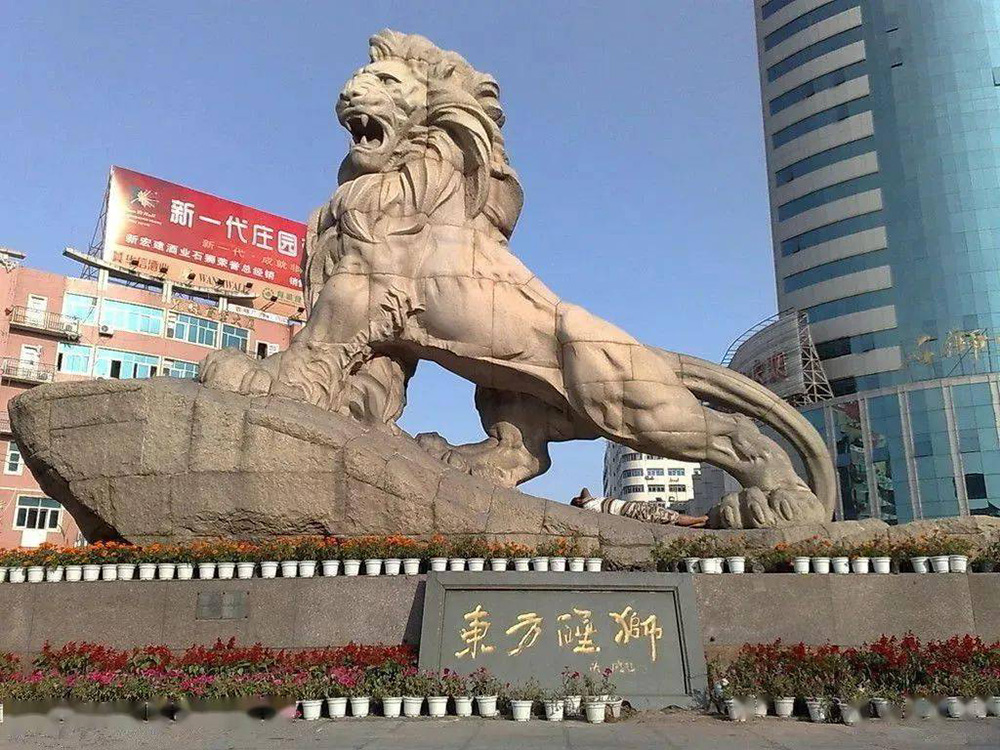
Breaking through the waves from the historic canvas of Quanzhou, the story of Shishi began with a courageous "plunge into the sea" of entrepreneurship.

 In 1987, this town—once part of Jinjiang County—proclaimed the dawn of a new era as "China's first county-level city to be directly elevated from a town." The very birth of Shishi symbolizes a magnificent transformation from a traditional agricultural society into a modern commercial economy.
  • 1
  • 2
  • 3

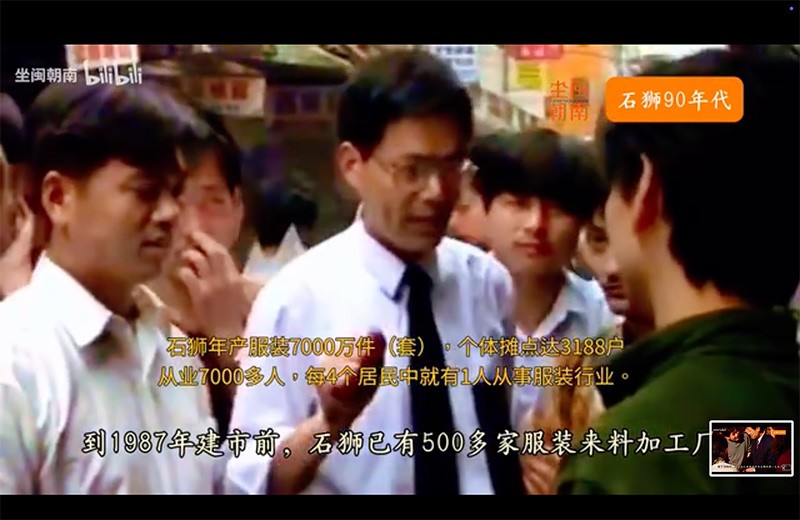
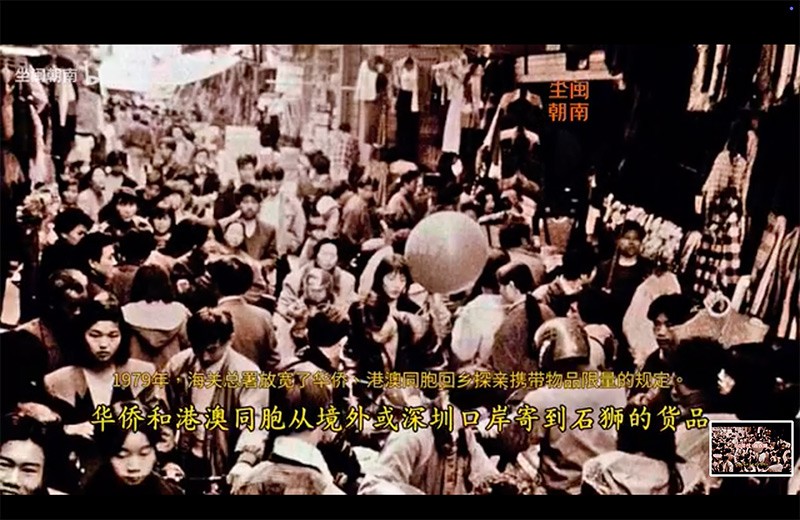
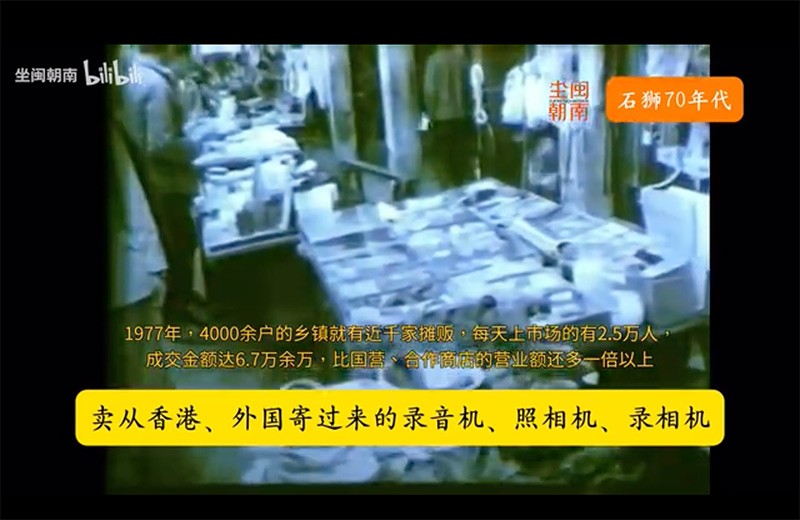
In the 1980s, as China’s reform and opening-up took off, Shishi had a unique advantage: it was a hometown to many overseas Chinese workers. Families who had sent members abroad to earn money now had spare funds, empty houses, and idle hands back home. Local people turned them into small second-hand clothing stalls — which soon grew into a booming market. Streets filled with endless styles and non-stop business marked a true commercial revolution. 

This grassroots wave of entrepreneurship eventually pushed Shishi to become an independent city and a pilot zone for Fujian’s economic reform.
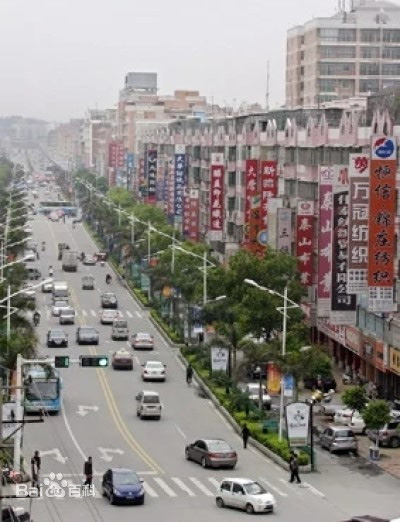
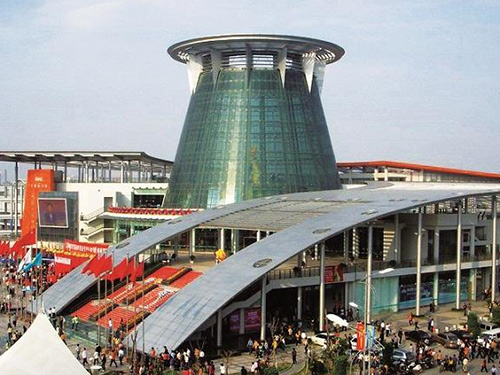
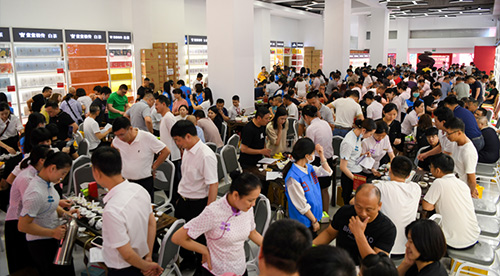
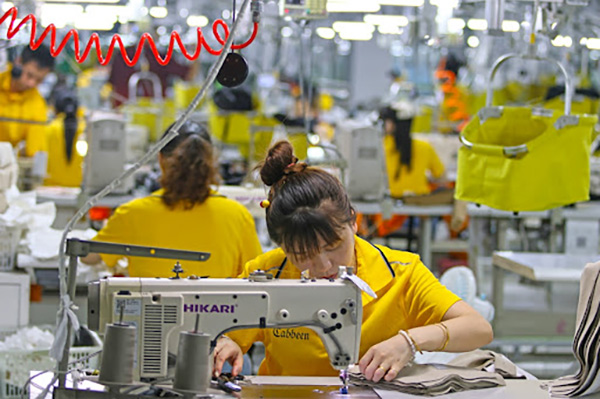
Built in 1995, the Yuanyangchi Fabric Market in Shishi, Fujian, is one of China's four largest textile markets. Powered by Shishi's complete garment industry chain — producing over 70 million pieces of clothing worth 5 billion RMB annually — the market's yearly trade exceeds 10 billion RMB, serving clients across the Middle East and Southeast Asia.
In 2005, Shishi completed the construction of the Shishi Garment Park, the largest of its kind in Asia.
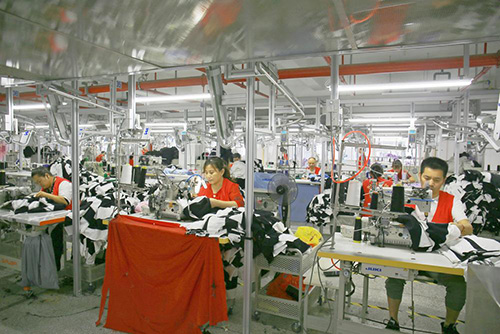
In 2023, A new era begins — shifting from conventional production to smart manufacturing.
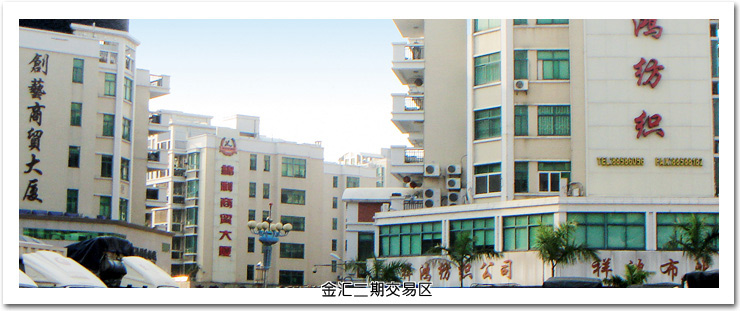
In 2000, Chuangyi relocated to Building 1, of the Jinhui Fabric Market. Right next to the old Yuanyangchi Fabric Market.
Specialise in synthetic woven fabrics.
For Mens/Womens/Childrenwear
GET IN TOUCH
Building 1, No.118, Cangqian Street, Yuhang District, Hangzhou, Zhejiang Province
SEND MESSAGE
Send Message to Get the Latest Price
Copyright © 2018 XXX公司 ICP备12345678号 技术支持: 企业V8

Home

Phone

新闻

联系